
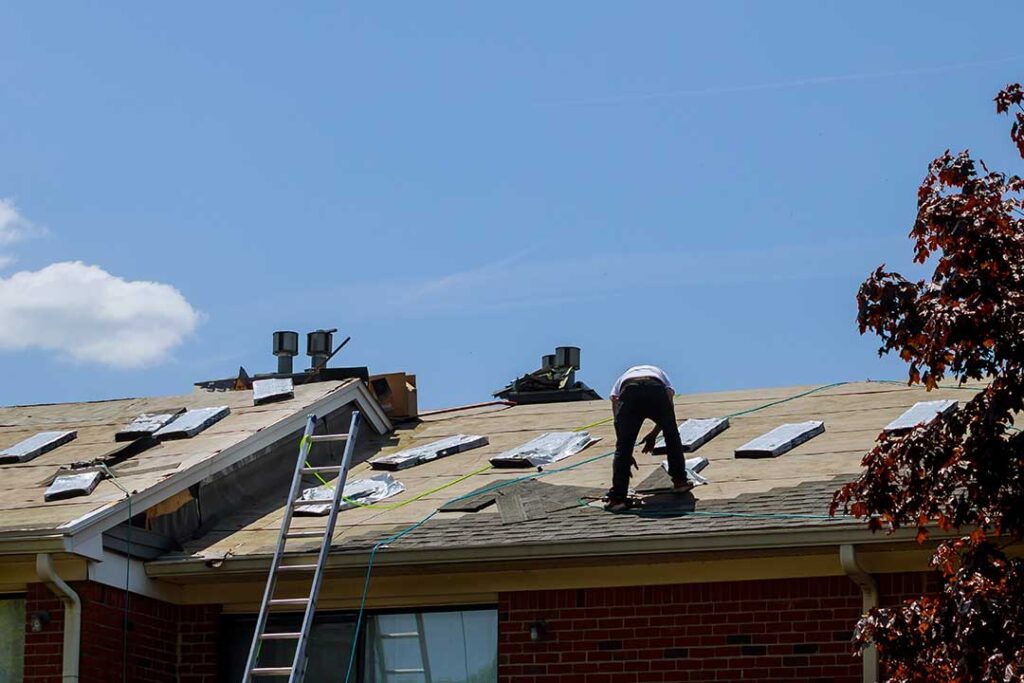
Roof coatings are liquid-applied materials designed to form a protective layer over an existing roof. They can reduce water intrusion, reflect sunlight, seal minor surface wear, and extend the useful life of some roofing systems. They are not, however, a universal replacement for a new roof or a solution for every leak.
For homeowners in Getzville, roof coatings deserve careful consideration because roofs must handle freeze-thaw cycles, snow, ice, wind, spring rain, and summer sun. The right decision depends on the roof’s material, slope, age, drainage, condition, and remaining structural life.
What is a roof coating?
A roof coating is applied over an existing roofing surface and cures into a continuous protective membrane. Common coating categories include acrylic, silicone, polyurethane, and rubber-like elastomeric products. Each has different strengths involving water resistance, flexibility, reflectivity, adhesion, and durability.
Coatings are typically used on low-slope or nearly flat roofs, where standing water and seams can create recurring maintenance concerns. Some products can also be used on sloped roofing materials, but compatibility must be confirmed before application.
A coating is different from roof paint. Ordinary exterior paint is usually not designed to withstand prolonged ponding water, roof movement, foot traffic, or repeated exposure to ultraviolet light. Roof coatings are formulated specifically for roofing conditions.
What are the main benefits?
The greatest advantage is that a suitable coating may extend the service life of an existing roof that is fundamentally sound. Rather than removing the entire roof covering, a coating creates another protective layer over the surface.
Potential benefits include:
- Improved water resistance: A continuous coating can cover small surface imperfections and reinforce certain seams, fasteners, and penetrations.
- Protection from sunlight: Reflective coatings may reduce ultraviolet exposure and slow surface aging.
- Lower surface temperatures: Light-colored coatings can reflect more solar energy during warm weather, which may reduce heat transfer into the building.
- Reduced disruption: Coating work may involve less tear-off, debris, and disposal than a full roof replacement.
- Seamless coverage: Properly applied material can reduce the number of exposed joints where water may enter.
- Maintenance planning: A coating can sometimes provide additional time to budget for a future replacement when the underlying roof is still serviceable.
These advantages are most relevant when the existing roof has limited damage, adequate drainage, and enough remaining strength to support the coating system.
Can a roof coating stop leaks?
A coating can help stop minor leaks caused by surface cracks, pinholes, exposed fasteners, or deteriorated seams. It cannot reliably correct leaks caused by major structural damage, failed flashing, rotted decking, blocked drainage, or widespread membrane failure.
Leak location also makes diagnosis difficult. Water may travel beneath a roofing membrane before appearing inside the building, so the visible stain is not always directly below the entry point. Applying coating only around an interior stain may hide the symptom without correcting the source.
Before coating, the roof should be examined for:
- Soft or deteriorated decking
- Open seams or separated membrane sections
- Damaged flashing around vents and edges
- Ponding water that remains after rainfall
- Mold, rot, or trapped moisture
- Areas where the existing surface is loose or poorly attached
A coating should be viewed as part of a roof system, not as a liquid patch for unknown problems.
What are the disadvantages?
The largest drawback is that roof coatings can conceal underlying deterioration if the roof is not properly inspected and prepared first. Moisture trapped below the coating may continue damaging insulation, decking, or structural components.
Other limitations include:
- Preparation is demanding: Dirt, loose material, oil, chalking surfaces, and moisture can prevent proper adhesion.
- Weather affects installation: Coatings generally need suitable temperatures and dry conditions during application and curing.
- Ponding water remains a concern: Some products tolerate standing water better than others, but coating alone does not correct poor drainage.
- The coating itself can wear out: Recoating may be necessary after years of exposure, depending on the product and roof conditions.
- Not every material is compatible: Existing membranes, metal, modified bitumen, shingles, and other surfaces may require different primers or coating types.
- Texture can change: A coated surface may become more slippery, especially when wet, creating a safety issue for anyone walking on it.
- Appearance may be uneven: Repairs, patches, seams, and substrate irregularities can remain visible through the finished coating.
A low initial disruption does not necessarily mean low total cost. Surface repairs, cleaning, primers, reinforcement fabric, drainage improvements, and multiple coating layers may all be necessary.
Are roof coatings suitable for snowy climates?
They can be, but winter conditions make product selection and installation quality especially important. In Getzville, repeated freezing and thawing can expand small cracks, stress seams, and move flashing. Snow accumulation can add weight, while ice formation may place pressure near roof edges and drainage points.
A flexible coating may accommodate some normal movement, but it cannot compensate for a roof that is already unstable or saturated. Snow and ice removal practices also matter. Aggressive shoveling or scraping can damage the coating and the roofing surface beneath it.
A coating project should not be planned simply around a warm day. The substrate may still contain moisture from recent rain, dew, or melting snow. If the roof is damp when the material is applied, adhesion and curing may be compromised.
How long does a roof coating last?
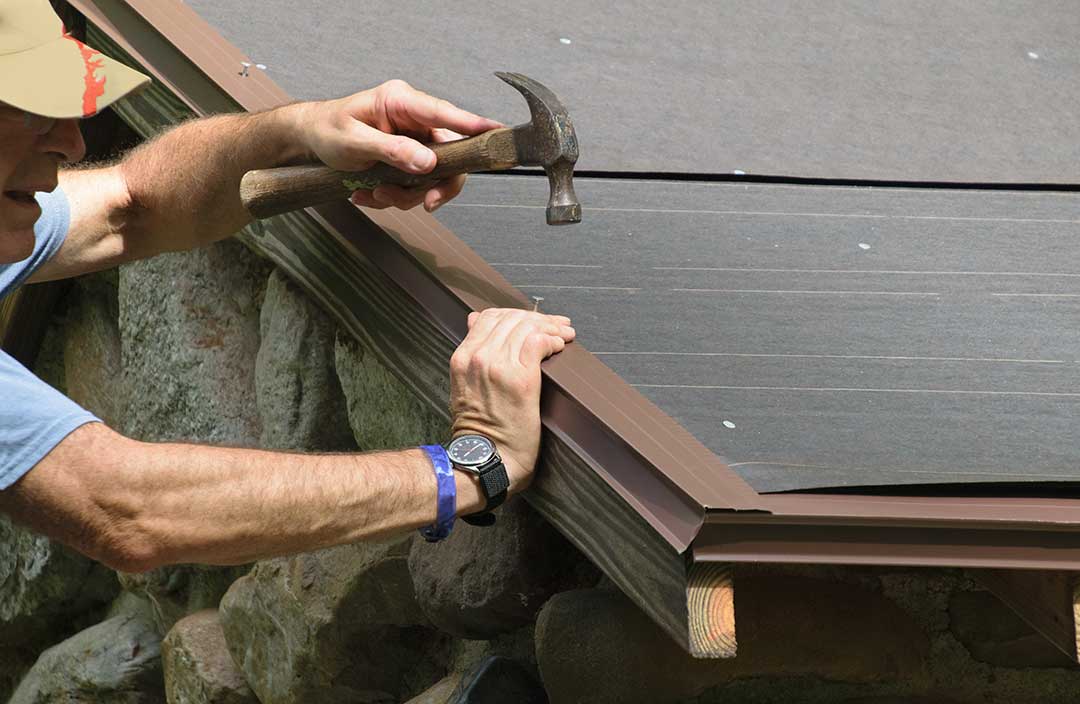
There is no single lifespan that applies to every coating. Longevity depends on the product, thickness, preparation, roof movement, drainage, weather exposure, maintenance, and the condition of the original roof.
A coating applied over a clean, dry, well-adhered surface may perform much better than the same product applied over dirt, moisture, or deteriorated materials. Product warranties, where offered, also commonly depend on specified thickness, application conditions, inspections, and maintenance.
The coating should be inspected periodically for:
- Blisters or bubbles
- Peeling or cracking
- Exposed seams and fasteners
- Areas of ponding water
- New stains or interior moisture
- Damage from branches, ice, or foot traffic
Inspection is particularly useful after winter and after severe wind or heavy rainfall.
When is replacement usually more appropriate?
A roof coating is generally a poor choice when the roof has widespread leaks, extensive wet insulation, structural weakness, severe membrane separation, recurring ponding water, or little remaining service life. Coating over these conditions may postpone visible symptoms while allowing the underlying damage to progress.
Replacement may also be more practical when the roof requires extensive repairs before coating. If much of the budget would be spent correcting the existing system, a longer-term solution may provide better value.
Safety concerns should never be overlooked. Wet, steep, icy, or fragile roofs are hazardous to inspect or walk on. Work involving roof edges, electrical equipment, ladders, or fall exposure may require qualified assistance and appropriate safety controls.
What questions should homeowners ask before choosing a coating?
Before deciding, property owners should seek clear answers to several practical questions:
- What roofing material is currently installed?
- Is the roof dry beneath the surface?
- How much repair is needed before coating?
- Does the roof drain properly after rain or snowmelt?
- Which coating chemistry is compatible with the existing surface?
- What thickness is required for the intended performance?
- How will seams, penetrations, edges, and fasteners be reinforced?
- What weather conditions are needed for application and curing?
- How will the finished surface be inspected and maintained?
- Would the cost of preparation approach the cost of replacement?
The central question is not simply whether a coating is available. It is whether the existing roof is sound enough to benefit from one. For some buildings, a properly designed coating system can provide useful protection and additional service life. For others, it may only cover problems that require more fundamental repairs.
