
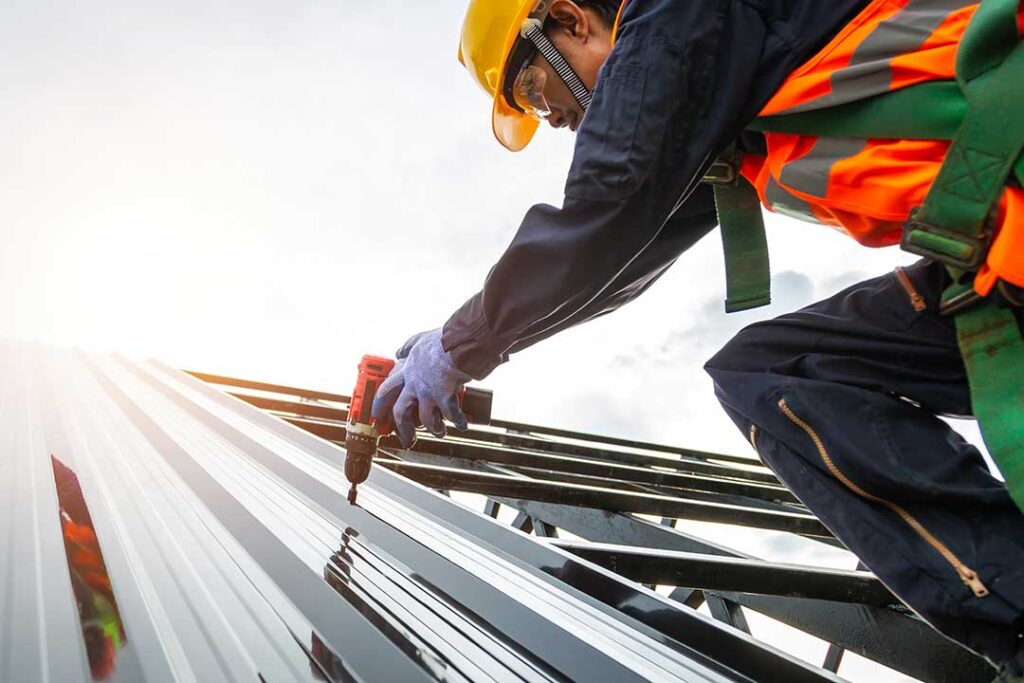
A new roof can improve a home’s value, but its effect is rarely a simple dollar-for-dollar return. Buyers usually view roofing as part of the home’s overall condition, risk level, and expected maintenance costs. A sound, recently installed roof may help a property attract more interest, reduce negotiation concerns, and support a stronger sale price when the rest of the home is well maintained.
Does a new roof increase home value?
Yes, a new roof can increase a home’s market appeal and may contribute to a higher selling price. The financial benefit depends on the roof’s quality, the home’s age, local buyer expectations, and whether the previous roof had visible problems.
A new roof often adds value in three ways:
- It removes an immediate repair concern for buyers.
- It improves the home’s exterior appearance.
- It provides documentation showing that a major building component has been updated.
The increase is usually most noticeable when the existing roof is near the end of its useful life. Replacing a roof that is already performing well may improve appearance and peace of mind, but it may not produce the same return as correcting an obvious deficiency.
Why does roofing condition matter so much to buyers?
Roofing protects the structure from water, snow, ice, wind, and seasonal temperature changes. A buyer who sees worn shingles, exposed fasteners, staining, or sagging areas may worry about hidden damage beyond the roof surface.
Roof concerns can lead buyers to consider possible costs involving:
- Roof decking
- Attic insulation and ventilation
- Interior ceilings and walls
- Framing or sheathing
- Mold or prolonged moisture exposure
- Gutters, flashing, and chimney intersections
In Getzville, seasonal weather makes roof condition particularly relevant. Freeze-thaw cycles, winter snow, strong winds, and summer storms can gradually stress roofing materials and drainage details. A roof that appears acceptable from the ground may still have aging flashing, poor ventilation, or areas of repeated moisture intrusion.
Because roofing problems can affect several parts of a house, buyers may discount their offer by more than the visible cost of replacing shingles.
Is replacing a roof before selling always a good investment?
No. Pre-sale replacement is not automatically the most financially sensible choice. The decision depends on the roof’s remaining service life, visible condition, the timing of the sale, and the likely reaction of local buyers.
Replacement may be worth considering when:
- The roof has active leaks.
- Shingles are badly deteriorated or missing.
- There are visible stains or signs of long-term moisture.
- The roof is clearly near the end of its expected life.
- A home inspection is likely to identify significant roofing concerns.
- The condition could delay a sale or create substantial price negotiations.
A roof that is older but still serviceable may not need immediate replacement before listing. In that situation, accurate disclosure and realistic pricing may be more appropriate than undertaking a major project solely to improve resale value.
The cost of a roof replacement is also affected by roof size, pitch, layers of existing roofing, ventilation, flashing, decking repairs, and disposal requirements. Those variables make broad national return-on-investment estimates less useful for a specific home.
How does a new roof affect a home appraisal?
An appraisal considers the overall condition, utility, and market position of a property. A new roof may support the appraiser’s assessment by showing that a major exterior component has been recently updated.
However, a new roof does not guarantee a specific appraisal increase. Appraisers generally evaluate the property in relation to comparable homes and may consider:
- The roof’s age and visible quality
- The condition of other major systems
- Recent comparable sales
- The home’s size, layout, and location
- Exterior appearance and general maintenance
- Whether the work appears properly completed
A new roof may prevent a negative adjustment more reliably than it creates a large positive adjustment. If a roof is failing, replacement can help the home compete with similar properties. If the home already has a well-maintained roof, a replacement may produce a smaller financial difference.
Does roof appearance influence buyer interest?
Yes. Roofing is one of the largest visible surfaces on a house, so its condition affects first impressions. Streaking, uneven shingle lines, curling edges, moss growth, and mismatched repairs can make a property appear less maintained.
A clean, properly aligned roof can complement siding, trim, windows, and landscaping. It may also make exterior photographs look more consistent when a home is marketed online.
Appearance alone should not determine a replacement decision. Cosmetic improvements cannot compensate for poor installation, inadequate ventilation, damaged decking, or unresolved drainage problems. A roof that looks new but lacks proper underlying work may create future problems rather than lasting value.
What roofing records should homeowners keep?
Documentation can help demonstrate that a roof was installed and maintained responsibly. Useful records include:
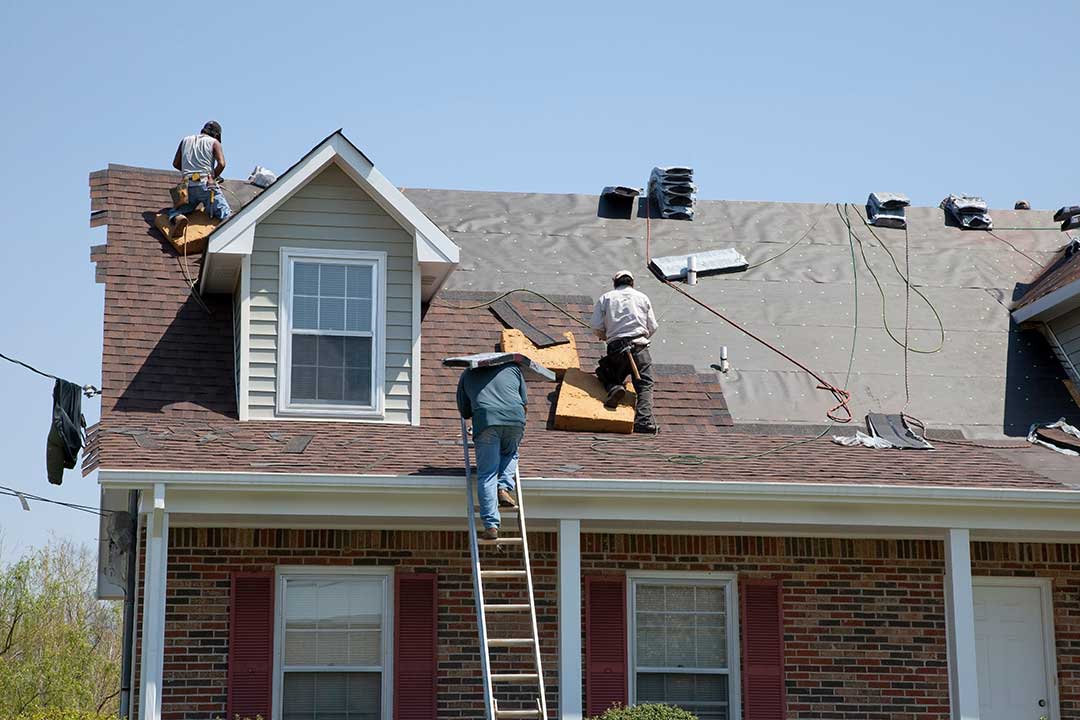
- Installation date
- Scope of work
- Materials used
- Permit information, when applicable
- Warranty documents
- Invoices and payment records
- Photos of concealed areas before completion
- Records of repairs or inspections
- Documentation of decking, flashing, and ventilation work
These records are especially helpful during a home sale because buyers, inspectors, lenders, and insurers may ask questions about the roof’s age and condition. Written evidence can also reduce uncertainty when the roof is relatively new but no longer visually identifiable as a recent installation.
Can a new roof help with insurance or financing?
Possibly, but the effect depends on the insurance policy, lender requirements, roof age, and property-specific underwriting rules. Some insurers may treat an older roof differently from a newer one, while others focus on material, condition, installation quality, or inspection findings.
A new roof does not automatically lower premiums or guarantee financing approval. Homeowners should review applicable policy terms and lender requirements rather than assume that replacement will produce a particular financial benefit.
Roofing work can also reveal issues that affect underwriting, such as inadequate ventilation, damaged structural components, or unsafe electrical conditions near roof penetrations. Addressing those concerns may matter as much as the visible shingle replacement.
What mistakes can reduce the value of a new roof?
Several decisions can limit the benefit of a replacement:
- Choosing materials based only on the lowest initial price
- Ignoring ventilation or attic moisture
- Reusing damaged flashing without evaluating it
- Failing to inspect roof decking
- Installing over unresolved leaks
- Neglecting gutters and downspout discharge
- Keeping incomplete project records
- Selecting an appearance that conflicts with the home’s design
- Assuming a warranty replaces proper maintenance
Roof value is tied to performance, not simply age. A new roof should shed water effectively, accommodate seasonal movement, and work with the home’s ventilation and drainage systems.
How long does a new roof remain a selling advantage?
The strongest resale advantage generally occurs while the roof is still clearly modern, well documented, and free from visible defects. Over time, normal weathering reduces the distinction between a newer roof and other well-maintained roofs.
Routine maintenance helps preserve that advantage. Homeowners should watch for damaged shingles, clogged gutters, loose flashing, attic condensation, and interior staining. After severe weather, a visual check from the ground can identify changes that deserve closer evaluation. Walking on the roof without proper training or equipment can cause damage and create a fall hazard.
For households considering a future sale, the most useful question is not simply whether the roof is new. It is whether the roof gives a buyer reasonable confidence that the home is protected, properly maintained, and unlikely to require a major roofing expense soon after purchase.
