
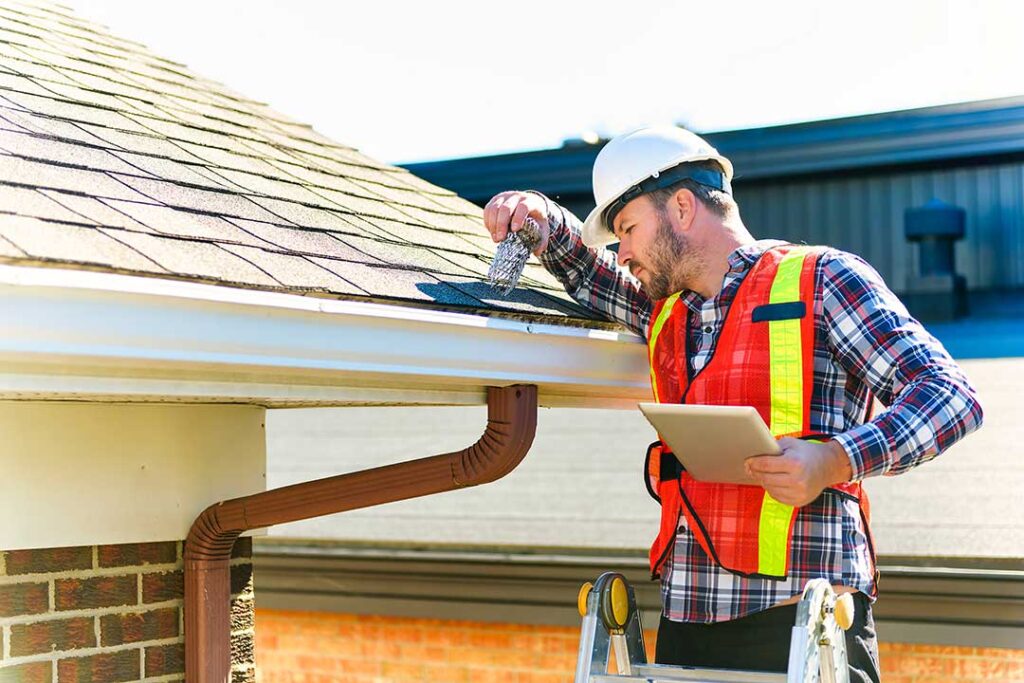
What Mistakes Happen Most Often with DIY Roof Repairs?
Many homeowners, aiming to save money or time, try to fix roof issues themselves. The most frequent mistake is not identifying the full extent of the damage. In Getzville, common problems like missing shingles after a winter storm or leaks from spring rain might be more widespread than they appear. Quick, surface-level patches rarely address underlying issues. For instance, covering a damaged area with new shingles without checking the wood deck may leave water damage untouched, leading to rot and mold.
Other typical errors include:
- Using incompatible or low-quality materials that don’t match the current roof’s style or local weather resistance needs
- Failing to properly seal around chimneys, vents, or skylights
- Overlooking ventilation needs, which can lead to ice dams in colder months
Can Mismatched Materials Cause Problems in Getzville Roofs?
Yes—using the wrong replacement materials, or ones that don’t match the original roof, often creates more trouble than it solves. Some residents might pick up leftover shingles from a past project or use low-cost options from local stores. However, even small differences in shingle texture, thickness, or sealing properties can cause issues during freeze-thaw cycles that are common locally.
In some cases, the roof may end up looking patchy or experience uneven aging. Worse, mismatched materials can lead to leaks if they do not seal properly against each other, especially during wind-driven rains typical in area storms.
How Does Improper Flashing Installation Lead to Leaks?
Flashing is the thin material (often metal) installed at joints and roof penetrations—places particularly prone to leaks. In Getzville, where heavy snowfall accumulates on roofs, poorly installed or reused flashing may allow melting snow to seep underneath shingles.
Improper methods include:
- Using roofing cement as a substitute for flashing material
- Reinstalling old flashing without inspecting for rust or bends
- Overlapping pieces incorrectly at valleys or skylights
These shortcuts often lead to water entry at critical transition points, which might not show up until extensive damage has occurred in attics or ceilings.
Why Is Ignoring Local Weather and Seasonal Timing a Problem?
Roofing repairs in Getzville must account for a climate with wet springs, hot summers, and harsh winters. Trying to install new shingles on a cold day, for example, can cause cracking or prevent proper sealing, as many roofing products require specific temperature ranges to adhere effectively.
Additionally, not anticipating the timing of seasonal storms or lake-effect snow can leave partially repaired areas exposed. This can turn a minor problem into a costly project if water gets into newly opened sections.
Are Safety Shortcuts a Risk for Homeowners?
Attempting repairs without prioritizing safety is one of the most dangerous missteps. Falls from roofs are a top cause of accidental injury during household projects. In this area, morning dew, frost, or algae growth common on shaded roofs can make walking on shingles especially slippery.
Risks are greater if:
- Ladders are not placed on firm, level ground
- Necessary harnesses or edge guards are not used
- Sloped roofs are accessed without proper footwear or caution
This means some jobs—such as major repairs or work on steep or icy roofs—are best left to those trained in safe roofing practices.
What Happens If Small Issues Are Left Unchecked?
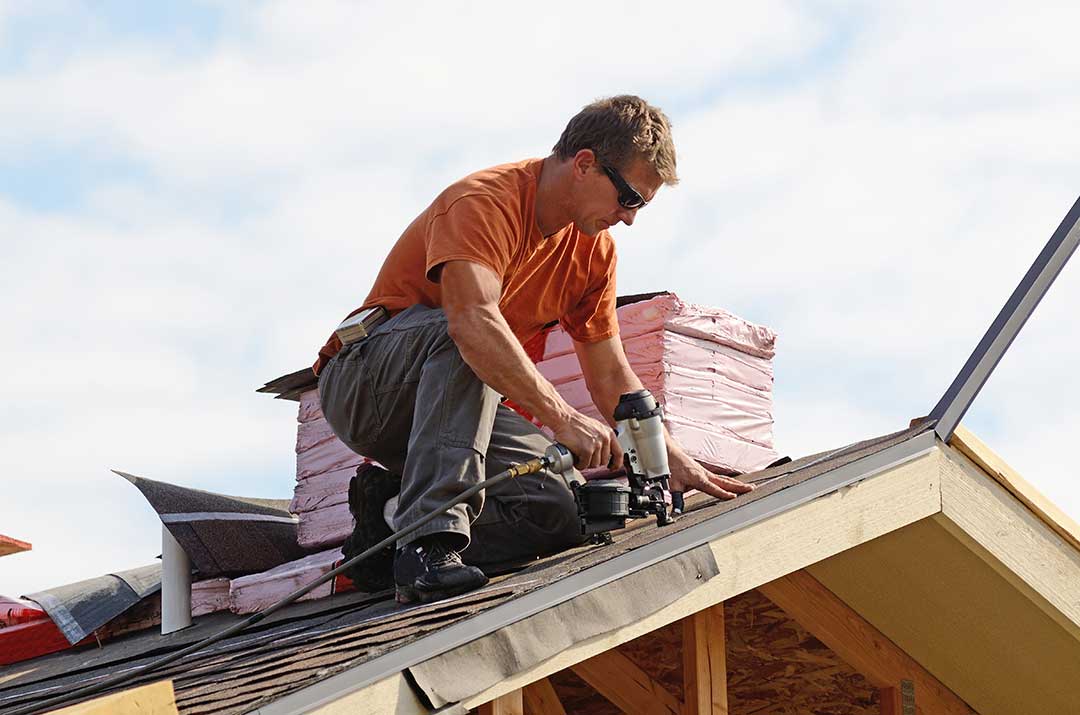
Minor damage, like a loose flashing or cracked shingle, may seem too trivial to worry about. However, Getzville’s freeze-thaw cycles and year-round precipitation can quickly make these minor issues worse. Small cracks may widen as water gets in and freezes, while persistent leaks can lead to rot or even pest infestations in attic spaces.
Keeping an eye on trouble signs and addressing them promptly is far more effective than dealing with the larger structural repairs needed after months of weather exposure.
Can Inadequate Ventilation Hurt the Roof?
True, roof ventilation is easily overlooked but essential for lasting performance—especially in homes with attics. Without proper airflow, heat and moisture can build up beneath the roof deck. In Getzville’s snowy winters, this can lead to ice dams that force water under the shingles, while hot, humid summers may cause condensation and mold.
If insulation is added or replaced during repairs, ensure that intake and exhaust vents remain unblocked. Failing to consider attic ventilation can shorten the lifespan of both new and old roofing materials.
Are Permit and Code Issues Relevant for Roof Repairs?
Yes—some repairs, especially those involving major structural changes or new installations, may require approval from local building authorities. Overlooking these requirements can lead to fines or forced rework.
Getzville’s codes are there for safety and weather resistance, reflecting common risks like wind and snow load. Even small unapproved changes can pose problems during future home sales or insurance claims, since buyers and insurers expect documentation of compliant repairs.
How Can Residents Avoid These Pitfalls?
Avoiding the most common mistakes involves a few straightforward habits:
- Carefully assess the entire roof if any damage is found
- Research material compatibility and local climate needs before purchasing supplies
- Double-check all joints, valleys, and roof penetrations for proper flashing installation
- Work only in safe, dry weather conditions to reduce safety risks and material failure
- Address even minor leaks or loose shingles before the next rain or snow event
- Keep attic vents clear when changing insulation or repairing decking
- Confirm whether any local code or permit applies before starting significant work
By understanding these risks, area homeowners can make better decisions, preserve their investment, and keep homes in this community protected year-round.
