
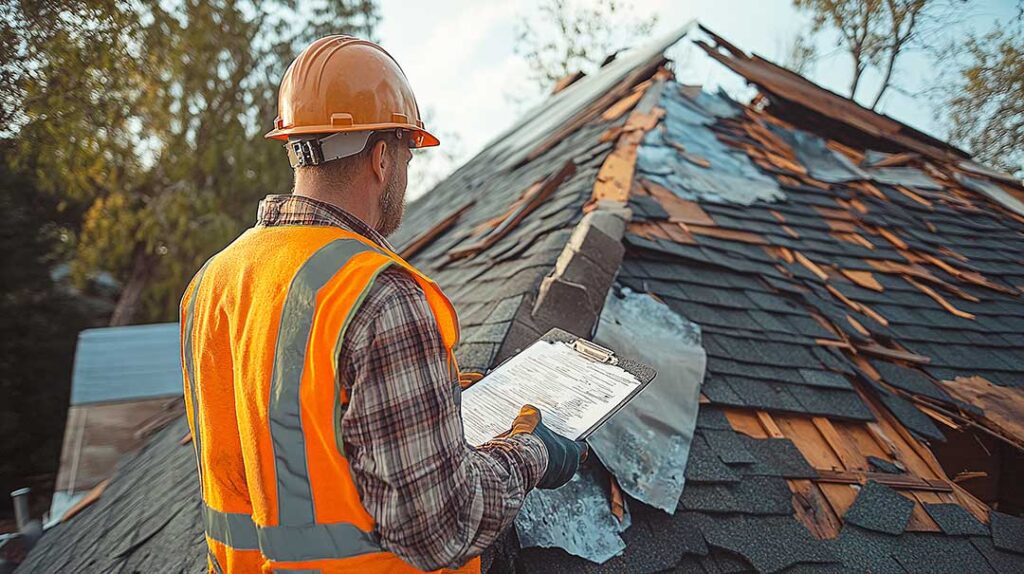
Why Is Protecting Your Roof During Renovations Necessary?
Any major renovation—whether replacing siding, adding an addition, or redoing an attic—can put your roof at risk for damage. Construction materials, dust, and debris often find their way onto rooftops, especially in the close-knit neighborhoods of Getzville, NY, where homes often sit near trees and have complex rooflines. Ensuring your roofing structure stays intact prevents costly repairs and extends the lifespan of your home’s most important weather barrier.
What Are the Main Risks to a Roof During Renovations?
Renovations expose roofs to potential physical harm and weathering. Here are common risks encountered by homeowners during construction projects:
- Accidental punctures or tears from tools, ladders, or dropped materials
- Vibrations from heavy machinery or hammering, loosening shingles or flashing
- Unsecured tarps or protective coverings blowing off in windy Getzville conditions
- Debris clogging gutters, leading to improper drainage
- Foot traffic causing granule loss on asphalt shingles, especially in spring and fall when area weather can swing from rain to sun
- Moisture intrusion if areas of the roof are left temporarily exposed
Local households must pay attention to these issues, especially given seasonal weather patterns that can change rapidly in the region.
How Can You Prepare Your Roof Before Starting a Renovation?
Protecting your roof begins with thorough preparation before work starts. Take these steps for a safer renovation process:
- Inspect the entire roof for existing weaknesses—missing shingles, lifted flashing, or soft spots should be addressed before renovations begin.
- Clean gutters and downspouts to prevent blockage from new construction debris.
- Plan staging areas for materials away from the roofline if possible, reducing accidental bumps and drop risks.
- Discuss with your renovation team how they will access work zones—roof access should be minimized or avoided.
- Consider the season; late spring and early fall in Getzville tend to be less stormy, making these times preferable for large projects.
Addressing these factors reduces surprises during active construction.
What Temporary Protections Should Be Used?
Temporary protection is crucial, especially for exterior renovations or when parts of the roof may be exposed to weather. Common methods include:
- Waterproof tarps: Secure with sandbags or wood strips, not just nails, to withstand high winds that can blow through the area.
- Plywood sheets: Placed over walkways or staging zones to distribute worker weight and avoid direct pressure on roofing materials.
- Foam board or soft mats: Used for slate, clay, or metal roofs to prevent scuffing or denting from any equipment or debris.
For especially large projects, scaffolding or guardrails may also help keep ladders and materials off the roof entirely.
How Do You Handle Dust, Debris, and Gutters During Construction?
Renovation dust and debris often settle into gutters and valleys, creating clogs that disrupt drainage. Local residents frequently encounter gutter backups in spring and autumn, so proper management is essential:
- Install temporary gutter guards before construction starts.
- Conduct regular checks and cleanouts during and after construction, especially after windy or rainy days typical in the region.
- Sweep or blow off the roof surface each week during the renovation period to prevent staining or granule loss.
This type of routine upkeep helps maintain proper water flow and prevents accidental damage to both the roof and the home’s foundation.
What About Weather Surprises During Renovations?
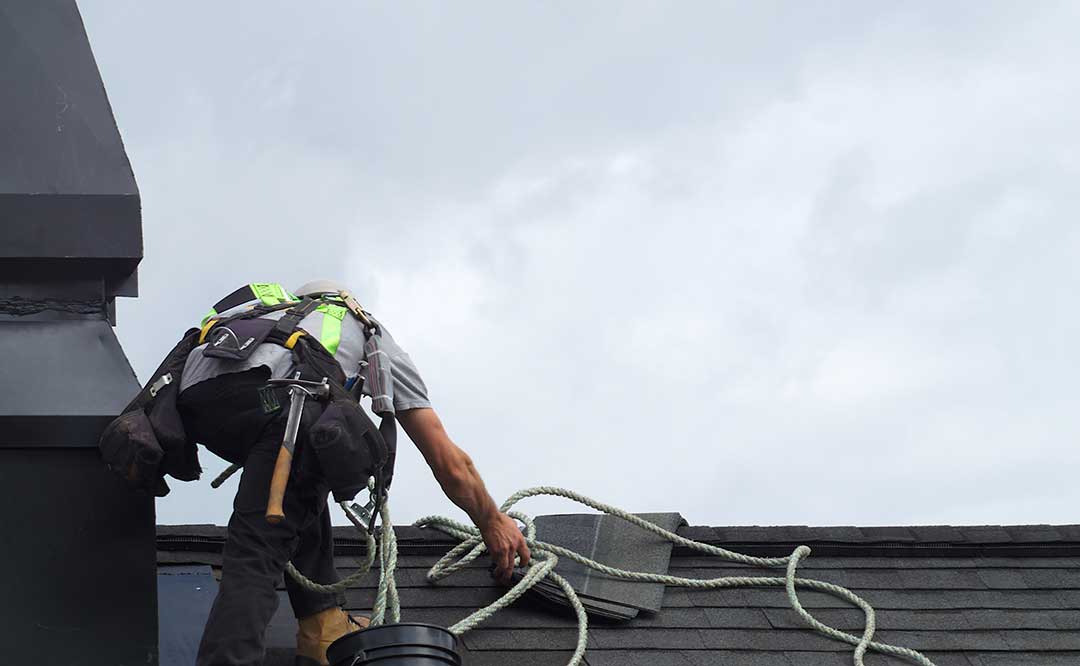
Unpredictable storms, spring rains, or even early fall snow can hit the region unexpectedly. Always have weatherproofing materials on hand and procedures in place:
- Monitor local weather forecasts throughout the project.
- Keep tarps and tie-downs available for sudden changes.
- If an area of the roof must remain open overnight, ensure all exposed sections are waterproofed with overlap to shed water: a small gap can lead to interior leaks.
- Seal or cover roof penetrations—vents, chimneys, or skylights—that may be exposed by the renovation work.
Quick response is often necessary due to the rapidly changing local weather.
Are There Specific Rules or Guidelines in Getzville for Roofing and Construction Projects?
Any roofing alteration or large renovation in Getzville may require permits or inspections, particularly when structural elements are involved. Familiarity with local regulations helps avoid fines or delays:
- Check whether the planned construction or renovation affects code-mandated roofing ventilation or insulation.
- Verify appropriate permits are secured through municipal offices for major roof-related changes.
- Ensure safety practices are observed for both roofers and non-specialist workers.
- Large multifamily or shared buildings often have additional requirements—residents should consult association guidelines.
Strict adherence protects both your investment and the safety of those working on your property.
What Should Be Done After the Renovation Is Complete?
Final cleanup and inspection are just as important as preparation:
- Inspect the entire roof for new damage, looking for missing granules, bent flashing, or punctures.
- Clean out all gutters and downspouts again to remove hidden debris.
- Restore any temporarily removed attic vents or other ventilation elements.
- Document the roof’s condition with photos for your records.
If repairs are needed, addressing them promptly prevents small issues from becoming larger ones during Getzville’s seasonal weather shifts.
