

What Is a Roof Tear-Off and When Is It Needed?
A roof tear-off is the process of completely removing old roofing materials—usually shingles, underlayment, and occasionally decking—down to the structural roof surface. This approach is different from a roof overlay, where new shingles are placed on top of existing ones. In Getzville, NY, tear-offs are often preferred for older homes, those with leaks, or roofs with more than one layer of shingles, as our seasonal freeze-thaw cycles and heavy snow can stress multiple layers.
Tear-offs are recommended when the existing structure shows signs of rot, trapped moisture, or widespread damage. Local weather means roof systems face regular expansion and contraction, making a solid start especially valuable.
What Should Residents Expect Before Work Starts?
Preparation begins several days ahead. Typically, a dumpster and materials arrive at the home, while workers prep the area. Expect to have the driveway partially blocked and for protective tarps to be placed over landscaping and patios. Area households often move outdoor furniture, vehicles, and garden items away from the work zone to prevent accidental damage.
Local roofing projects must follow building codes suited for Getzville’s climate and housing types. You might notice permit signage required by the local building department.
How Long Does a Roof Tear-Off Take in This Area?
For most single-family homes, the tear-off and installation process can take one to three days, weather permitting. The timeline depends on:
- Roof size and pitch (steep pitches take more time)
- Number of layers to remove
- Unforeseen issues like damaged decking
- Weather delays—rain and wind common in spring and fall can extend the project
Local homes with complex rooflines or features (like dormers and skylights) may require extra care and time during tear-off.
What Happens Each Day During the Project?
Day-to-day progress tends to follow a clear sequence:
- Setup: Crews arrive early, cover shrubs and entryways, and stage tools.
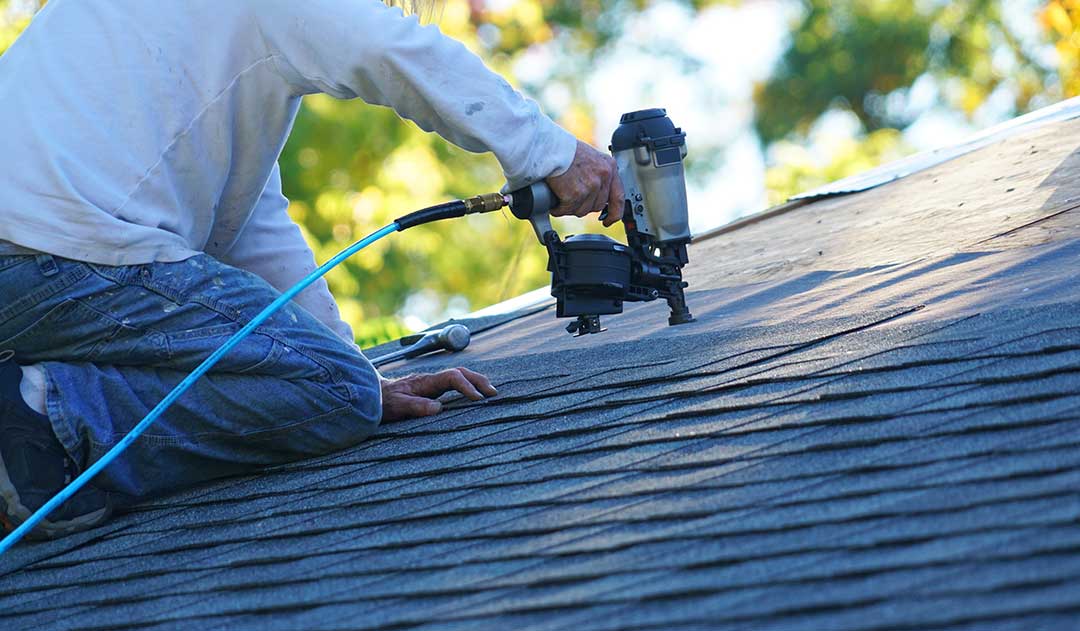
- Tear-off: Old shingles, nails, and underlayment are pried up and deposited in dumpsters. This part is loud and can cause vibrations inside.
- Deck inspection: With materials removed, crews inspect and repair wood decking as needed before installation of new materials.
Debris removal happens throughout the process. Local residents may notice increased noise, dust, and temporary disruptions. Children and pets should be kept indoors or away from work zones during active removal.
Is a Roof Tear-Off Messy or Damaging to the Property?
The process is quite disruptive, but precautions limit incidental damage. Professional crews use drop cloths, tarps, and plywood to catch falling debris and shield siding, windows, and landscaping. Nail magnets are often used to sweep up stray hardware afterward. However, finer dust can still find its way onto porches or into attics via vents.
Gutters may catch some granules and debris, so expect to check and clean them once work wraps up. Fragile plants and decorative landscaping close to the house are most at risk for accidental breakage; moving planters in advance is wise.
What Noise and Vibration Should Occupants Expect?
Roof removal generates considerable noise—expect hammering, scraping, and footsteps overhead. Interior items like pictures or mirrors on exterior walls may shift, especially in older homes where walls might flex slightly from the commotion. If you work from home, consider relocating to a quieter area or scheduling meetings away from the house.
In rare cases, vibration can dislodge ceiling fixtures or delicate plaster, especially in historical homes common in older Getzville neighborhoods. Notifying workers about antiques or sensitive items can help them take extra precautions.
Can Residents Stay Home During the Tear-Off Process?
Most residents remain at home during the project, although some opt to leave for part or all of the workday due to noise and disruptions. The process is exterior-focused, so interior access is rarely needed except when inspecting for leaks or structural concerns.
Pets should be considered—stress from noise and sudden activity can cause distress. Local animal shelters occasionally see an uptick in boarding during major home repairs due to this.
What Safety or Legal Factors Are Involved?
Roof tear-offs carry risks, so workers must follow local safety standards, including the use of harnesses and regulated debris disposal. Property owners are responsible for ensuring permits are displayed and any required inspections occur, especially in historic districts or planned communities.
Residents should not try to stay, work, or park beneath areas being actively re-roofed. Direct involvement is not recommended due to falling debris.
What Unexpected Issues Might Arise?
Discovering hidden problems—such as rotted decking, poor insulation, or previous improper repairs—is common once old materials are removed. These conditions can increase costs and project length. Area homes built several decades ago sometimes reveal inadequate ventilation or water-damaged boards, especially after harsh winters.
Unexpected weather is another frequent concern; sudden rain or wind can halt progress and sometimes require temporary waterproofing.
How Is Clean-Up Handled After a Tear-Off?
Clean-up usually includes several rounds of debris sweeping, nail removal, and material sorting. Yard, driveway, and walkways are checked for leftover nails or sharp objects. Most crews use rolling magnets to find missed metal items, but homeowners should visually inspect high-traffic areas and check garden beds for stray debris.
In communities like Getzville, where routine yard maintenance is valued, it’s common to see neighbors sweep up after a roofing project to restore curb appeal.
Does a Roof Tear-Off Affect Other Parts of the Home?
The attic and gutters receive the biggest impact—expect some extra dust or granules, especially near vents and downspouts. Minor bits of debris may appear in corners of walkways or patios. Attic spaces should be checked for loose debris and signs of moisture intrusion after the project.
Inside the home, residents sometimes notice drafts or changes in temperature during the project as roof layers are temporarily removed; weatherproofing and insulation are restored with new materials.
