

Why Might Residents Need to Walk on a Roof?
Roof access may be necessary for tasks like clearing leaves, checking for storm damage, inspecting gutters, or installing seasonal decorations. In Getzville, NY, changes in weather can bring fallen branches, wind-blown debris, and ice buildup, all of which might require homeowners to carefully inspect their roofs. While many of these jobs are routine, walking on a pitched surface can present real safety risks.
What Are the Main Hazards of Accessing a Roof?
Walking on a roof can lead to falls, damage to roofing materials, and even electrical hazards if there are overhead wires. The most common risks include:
- Slipping, especially on wet, icy, or mossy shingles
- Stepping on weak or damaged areas that give way
- Tripping over objects or unsecured tools
- Damaging shingles or flashing, which can lead to leaks
Roofs in this area may be especially slippery in spring and late fall due to wet leaves, or during winter with snow and ice accumulation.
How Should Homeowners Prepare Before Going Onto a Roof?
Preparation is critical for both safety and protecting the roof itself. Before climbing, local residents should:
- Check weather conditions and choose a dry, calm day—never go up during rain, snow, or heavy wind.
- Wear non-slip footwear with good tread.
- Examine the roof from the ground with binoculars to spot any clearly unsafe areas, like sagging, missing shingles, or debris piles.
- Plan the purpose of the visit and minimize time spent on the surface.
For homes with steep pitches or higher stories, extra caution is needed; some roofs are unsafe to access without professional safety equipment.
What Basic Safety Gear Is Recommended?
Personal protective equipment helps reduce injury risk. Useful gear includes:
- A sturdy, well-positioned ladder with secure footing on stable ground
- Non-slip, soft-soled shoes or boots
- Work gloves for better grip and hand protection
- A safety harness attached to a secured anchor point when feasible (especially for steeper pitches)
- Comfortable, fitted clothing that won’t catch on roofing features
Wearing a helmet may be worthwhile on taller roofs or if working near the edge.
Are There Safe Ways to Use a Ladder?
Proper ladder setup is essential. Always set the base on level ground and angle the ladder so the base is one foot away from the wall for every four feet of height. Extend the ladder at least three feet past the roof edge for extra stability getting on and off. Avoid leaning or overreaching while on the ladder—a helper at the base can provide extra security.
How Can Walking Itself Be Made Safer?
If it’s safe and necessary to walk on the roof, these rules help prevent both accidents and roof damage:
- Move slowly, taking small steps, and keep your weight evenly distributed.
- Stay near the peak, where the surface is often strongest, rather than walking near the edges or on overhangs.
- Avoid stepping on the valleys, eaves, or directly above gutters, as these areas may be structurally weaker.
- If possible, walk parallel to the ridge—not across the slope—to reduce slipping risk.
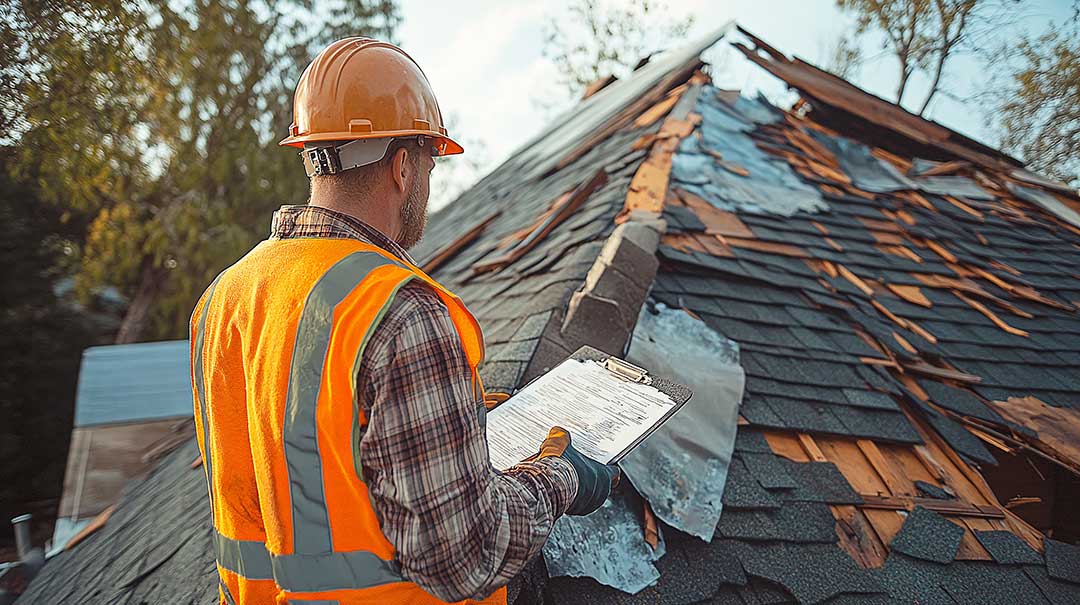
Some roof materials are more fragile, such as older asphalt shingles or brittle wooden shakes, which can crack or shift underfoot.
What Local Conditions Should Residents Watch For?
In Getzville, seasonal weather adds unique challenges:
- Spring can bring algae or moss growth, making surfaces slick.
- Heavy autumn leaves can hide slippery spots or roof damage.
- Winter often means snow or ice patches—even after a melt.
- Asphalt shingles can become soft and prone to scuffing during summer heatwaves.
Area homes may have low attic space or older framing that’s less sturdy; take special care if walking on an aging or previously repaired roof.
Are There Tasks That Should Be Avoided by Residents?
Any roof with a steep pitch, obvious soft spots, major leaks, or obvious structural problems should not be accessed by untrained individuals. Tasks like handling large branch removal, full shingle replacement, or work near electrical wires may require professional tools and safety techniques, and those are best left to qualified workers.
What Are Common Misconceptions About Roof Safety?
A frequent misconception is that a dry day automatically ensures a safe surface; morning dew or overnight frost can linger and make shingles slick even in full sun. Some people also believe thick-soled work boots are safest, but overly stiff or heavy boots can actually damage shingles or reduce footing sensitivity.
Another oversight is ignoring roof slope. Even relatively low-pitched roofs in the area can become hazardous if footing is uncertain or if unexpected wind gusts occur.
What Should Be Done After Walking on the Roof?
After getting down safely, assess both yourself and the roof. Check for any new cracks, loosened shingles, or debris moved during your visit. Document anything that looks concerning for further attention. Carefully inspect yourself for minor injuries—knees, hands, and shoulders are especially susceptible to minor sprains or scrapes.
