
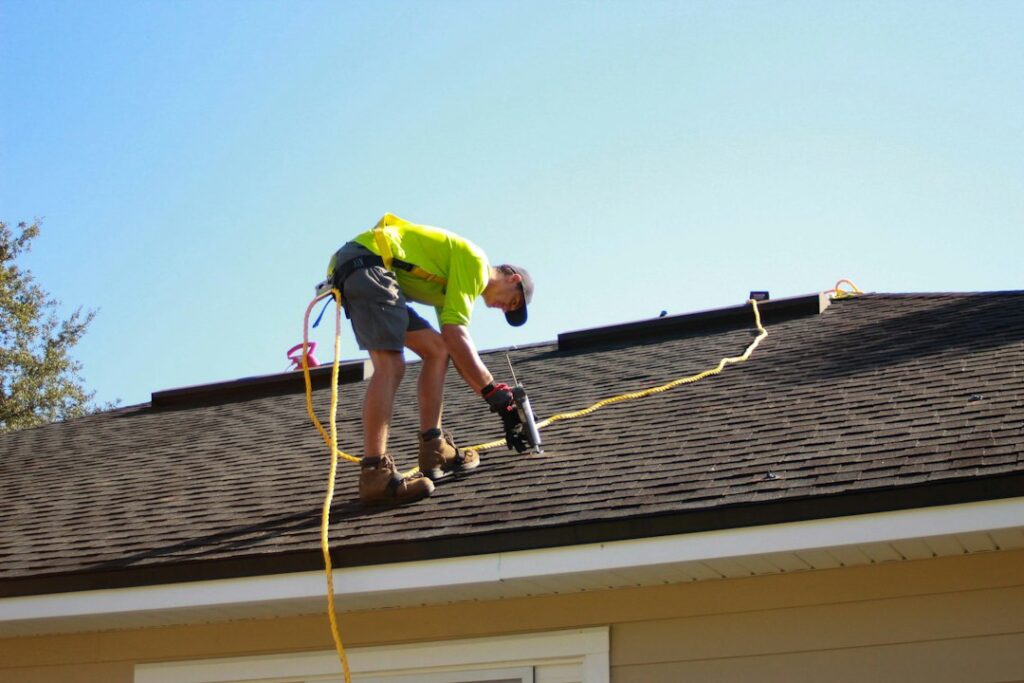
Roof work can sometimes be handled by a careful homeowner, but only when the task is minor, the roof is accessible, and the conditions are controlled. Safety depends less on confidence than on height, slope, weather, equipment, roof condition, and whether the work affects the structure or weatherproofing of the home.
For residents in Getzville, NY, seasonal snow, ice, wind, wet conditions, and freeze-thaw cycles make timing especially important. A repair that seems simple from the ground can become dangerous once a ladder, brittle shingles, hidden roof damage, or slippery surfaces are involved.
What roof work is usually safe for a homeowner?
Minor work performed from the ground or from a securely positioned ladder is generally the most suitable for do-it-yourself maintenance. Examples may include cleaning leaves from accessible gutters, inspecting visible flashing from the ground, replacing a damaged vent cap that can be reached safely, or sealing a small exposed fastener when the work does not require walking across a steep roof.
Some homeowners may also be able to replace a few shingles on a low-slope roof if they already have the correct tools, understand how the roofing layers fit together, and can work without approaching an unprotected edge.
The safest projects share several characteristics:
- The work area is low, stable, and easy to reach.
- The roof surface is dry, clean, and free of ice.
- No electrical wires, skylights, fragile roofing, or weak decking are nearby.
- The task does not require carrying heavy materials up a ladder.
- Proper fall protection and ladder practices are available.
- The repair does not involve structural framing or widespread water damage.
A homeowner should be able to stop immediately if the roof feels unstable, shingles break underfoot, or the work area cannot be reached without stretching or stepping sideways from a ladder.
When should roof work not be done yourself?
Roof work is not a reasonable do-it-yourself project when a fall could occur and there is no effective fall-protection system. A residential roof edge six feet or more above a lower level presents a serious fall hazard. Standard precautions may include guardrails, safety nets, or a properly designed personal fall-arrest system. A basic ladder is not a substitute for a complete fall-protection plan.
Avoid climbing onto the roof when:
- Snow, frost, ice, rain, or morning condensation is present.
- Wind makes ladder placement or handling materials difficult.
- Temperatures are low enough to make shingles brittle.
- The roof has a steep pitch or multiple levels.
- The decking feels soft, springy, or damaged.
- Moss, algae, or loose granules reduce traction.
- The roof is older and its condition is uncertain.
- The repair is near a skylight, chimney, valley, or roof edge.
- A ladder would rest on uneven, icy, or unstable ground.
In the local climate, a sunny afternoon does not always make a roof safe. Shaded roof sections can remain icy after other surfaces have dried. Melting snow can also refreeze near eaves, gutters, and valleys.
How should weather affect the decision?
Dry, calm, moderate weather is the safest window for exterior roof maintenance. A roof should be completely dry, and the forecast should allow enough time to finish the repair and secure the area before conditions change.
Avoid starting work before a storm, during a period of strong wind, or when rain is likely. Wet underlayment and exposed decking can become slippery quickly. Wind can also turn shingles, sheet materials, ladders, and tools into hazards.
Cold weather creates two separate problems. Shingles may become stiff and crack when bent, while workers may lose dexterity from cold hands. Ice-covered surfaces are especially dangerous because ordinary roofing shoes or work boots may not provide reliable traction.
After heavy snowfall, do not climb onto the roof simply to inspect it. Snow can hide weak areas, vents, skylights, and ice. It also adds weight to the roof system. If snow removal appears necessary, using a roof rake from the ground is generally less hazardous than walking on the roof, but even ground-level work requires attention to falling snow, ice, and overhead obstructions.
Is ladder work safer than walking on the roof?
A ladder can reduce exposure to the roof surface, but it still creates a fall hazard. Set it on firm, level ground, keep the area clear of ice and debris, and maintain three points of contact while climbing. The ladder should extend high enough above the landing area to provide a secure handhold, and it should be secured so it cannot slide or shift.
Do not carry bulky materials while climbing. Raise tools with a rope or use a tool belt that leaves both hands available. Never place a ladder on a pile of snow, a box, a makeshift platform, or an uneven surface to gain additional height.
A ladder is not suitable when the work requires leaning far to one side, stepping from the ladder onto a steep roof, or repeatedly carrying heavy bundles. Those conditions can exceed what a homeowner can safely control.

Which repairs require more than basic DIY skills?
A small surface repair is different from work that changes the roof system. Extra caution is needed for:
- Replacing large sections of shingles.
- Repairing roof valleys or complicated flashing.
- Rebuilding areas with rotten decking.
- Correcting sagging roof lines.
- Repairing rafters, trusses, or wall connections.
- Installing or modifying skylights.
- Working around chimneys or masonry.
- Addressing repeated leaks with no visible entry point.
- Replacing underlayment over a broad area.
- Repairing damage caused by fallen trees or heavy snow.
These projects can involve hidden structural damage or ventilation problems. Covering a leak without identifying its source may allow moisture to continue entering the roof assembly, insulation, ceilings, or wall cavities.
Repeated staining, peeling paint, musty odors, damp insulation, or visible attic mold are signs that the problem may be larger than a single missing shingle.
What should be checked before starting?
Before beginning any roof-related task, inspect the work area from the ground and from the attic if it can be reached safely. Look for missing shingles, lifted edges, exposed underlayment, rusted flashing, sagging decking, and water marks.
Check the ladder location for overhead electrical lines and nearby branches. Keep children, pets, and other household members away from the area below. Falling tools, shingle pieces, and ice can injure someone even when the worker remains on the roof.
Use eye protection when cutting or prying roofing materials. Wear gloves suitable for handling sharp metal and old shingles. Keep fasteners and debris contained rather than allowing them to fall into landscaping, driveways, or walkways.
Before doing repair or replacement work, verify whether local building requirements or permits apply. Rules can vary depending on the scope of the project, the type of building, and whether structural elements are changed.
A practical rule for deciding
DIY roof work is most appropriate when the task is small, the roof is low and dry, the weather is stable, the ladder can be used safely, and the repair does not involve structural damage or difficult flashing.
If the job requires walking near an edge, working on a steep or fragile surface, carrying heavy materials, removing snow from the roof, or diagnosing hidden damage, the risk has moved beyond ordinary household maintenance. In those situations, avoiding the climb is often the safest decision.
